

Vagabond presents itself as a hybrid RPG system that marries old-school fantasy design roots (e.g., B/X, Knave, Into the Odd) with modern features like deep character-customization, solo/co-op play and a “pulp fantasy” tone. The title highlights: “7 Ancestries · 18 Classes · Over 50 Perks · Magic System of 60 Spells · 200+ Statblocks of classic and new monsters.”
In short: this is a sizable, genre-rich core rulebook that promises both flexibility and depth in a fantasy context.
🧱 What’s Inside – Structure & Features
From the available product previews and descriptions, Vagabond’s core features include:
- A character creation framework with 7 ancestries (Human, Dwarf, Elf, Halfling, Draken, Orc, Goblin) and 18 classes (broadly defined, with potential for customization).
- A richly developed perk system: Over 50 perks listed in the product blurb, which suggest meaningful mechanical and narrative differentiation.
- A magic system promising “Limitless potential” — described as “a brand new magic system of 60 Spells” with options for augmentation and variation.
- 200+ monster statblocks — both classic fantasy monsters and newly created beasts — built to support immediate play and GM ease.
- Support for solo, co-op and guided play: The publisher site states the system was designed to “run itself” to some extent, reducing GM burden and enabling multiple play-styles.
- Compatibility with OSR and old-school modules: Vagabond is compatible with B/X derivatives, old modules, and “system neutral content.”
The layout and design emphasize clarity, ease of reference, and scene-readiness (character sheets, pregens, starter adventure included in supporting downloads).
🎯 Play Experience & Tone
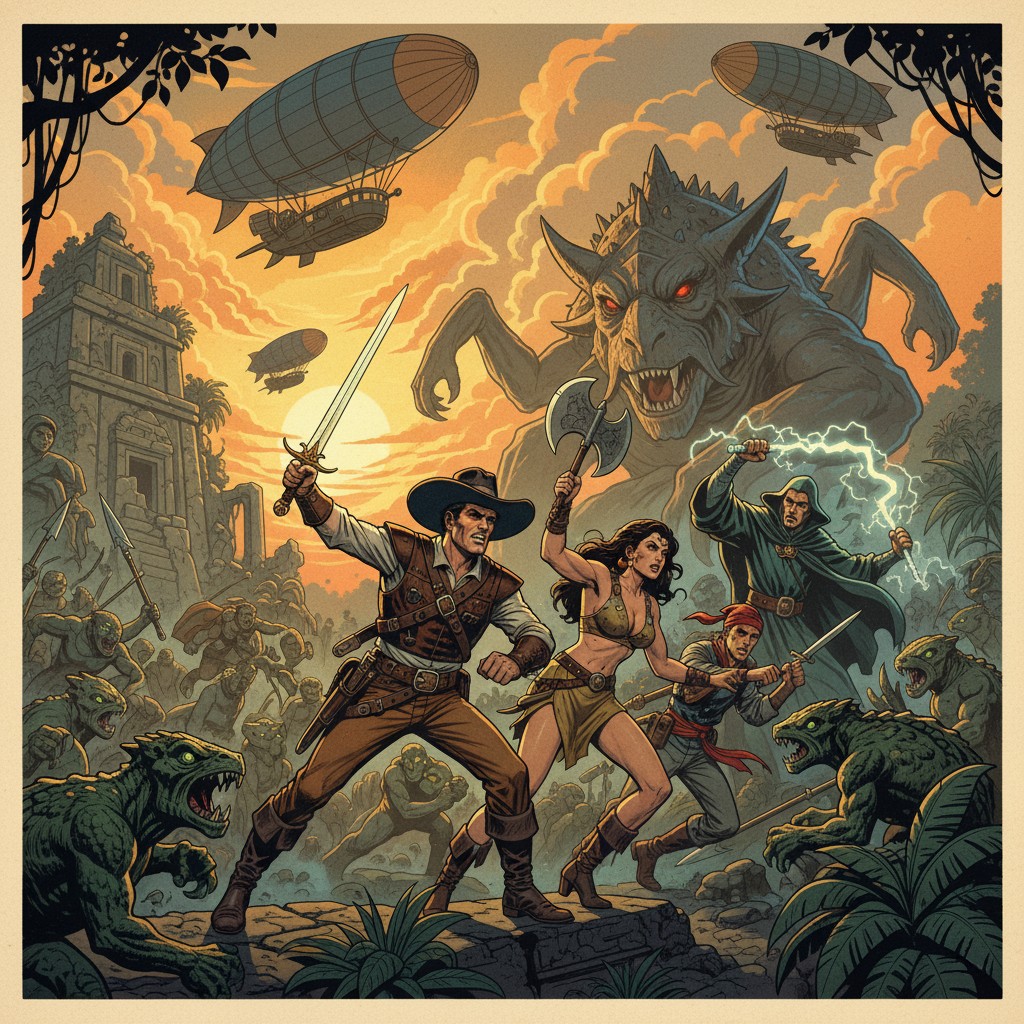
Vagabond delivers on its “pulp fantasy” promise: a tabletop experience that emphasizes cinematic, high-adventure fantasy — the kind of heroic or daring storytelling where magic, monsters, relics, and sweeping quests are front and center.
Character Creation & Customisation
Players will appreciate the breadth of options: with 7 ancestries and 18 classes, the mechanical palette is large and varied. The perk system and extensive spell list allow characters to feel distinct. The promise of “trillions” of combinations suggests Vagabond emphasizes choice and player expression.
Magic & Relics
The magic system stands out: beyond the baseline of many fantasy RPGs, the “new magic system” and relic crafting mechanics provide options for players who want flexible, evocative spellcasting and magical items. This feels like one of the stronger draws of the system.
Monsters & Encounters
With 200+ statblocks included, GMs receive significant value. The system-neutral or OSR-friendly compatibility means you can drop in older modules or adapt existing content without too much head-ache. The monster library supports both old-school dungeon delves and modern pulp-epic quests.
Formats & Flexibility
Solo and co-op support is a nice bonus: many fantasy systems assume a full GM + players setup; Vagabond’s built-in support for alternate formats broadens applicability. That said, actual play experience will depend on GM familiarity and adaptation of modules.
Tone & Setting Support
While the book is ostensibly “setting-agnostic,” the pulp fantasy label implies high stakes, heroic spectacle, relic hunting, monster slaying, and exploration. The ability to retrofit old modules, use system-neutral content, or build your own world means Vagabond works both for classic fantasy campaigns and more pulpy style (think relic foundry, magic storms, ancient towers). The dual support for OSR metal (old modules) and modern play is a definite plus.
✨ Strengths – What Vagabond RPG Does Very Well
- Range of choice & customization: With many classes, ancestries, perks, spells, and relic systems, Vagabond gives players and GMs substantial mechanical and narrative palette.
- Versatility across play-style: Whether your group wants heavy dungeon crawling, exploration, relic recovery, solo/co-op or full group play, Vagabond appears to support it.
- Compatibility with existing content: If you have old B/X modules or OSR adventures, the system claims to support them — lowering barrier to entry for GMs with existing libraries.
- Production and promise: The published details suggest the creators have considered modern play (solo, co-op), flexibility and breadth. The price point (print + PDF) appears competitive.
- Monster content & magic depth: The inclusion of 200+ monsters and a novel magic system sets Vagabond apart from many fantasy RPGs which either skimp on one or both.
⚠ Areas for Consideration & What to Watch
- Scope vs depth trade-off: With so much breadth (18 classes, many perks, dozens of spells) the risk is that choices become overwhelming and some options may feel under-developed. GMs will likely need to invest time in reviewing options and pruning/focusing for the table.
- System complexity vs old-school flavour: The system draws from old-school roots but adds layers (perks, relics, solo/co-op support). If your group prefers ultra-light rules, Vagabond may introduce more mechanical baggage than expected.
- Setting-agnostic but not setting-specific: Some groups may prefer a richly defined world rather than a toolkit; Vagabond leans more towards “you build the world” than “here’s a ready world.” That means more prep for GMs who want setting detail.
- New entrant risk: While the promise is strong, the system is newer compared to legacy giants (D&D, Pathfinder, etc.). Fewer published adventures (so far) may mean GMs will need to build more original content or adapt existing modules themselves.
🗡 Final Verdict
If you’re searching for a fantasy RPG that blends old-school adventure, modern mechanical flexibility, and pulpy high stakes, Vagabond is a compelling choice. It offers a wide selection of classes and ancestries, a strong magic system, a large monster library, and significant customisation possibilities. For GMs with an existing adventure closet (old modules) or a desire to build their own world in a toolkit fashion, Vagabond delivers a strong engine.
However, it demands commitment. With its breadth of option comes a need for GMs and players to invest in understanding the system, streamlining options for the table, and possibly doing more prep than more narrow systems. It’s best suited for groups who enjoy flexibility, character customization, and the conversion of existing content. For those wanting ultra-simple rules, plug-and-play modules or deeply pre-defined setting lore, it may feel like more of a foundation than a finished world.
In short: Vagabond is ambitious, rich and promising. For the right group — one who wants “pulp fantasy” with depth and customization — it hits the mark. For others, it may be an excellent system to explore but with the understanding that you’re buying a toolkit, not a guided campaign.