
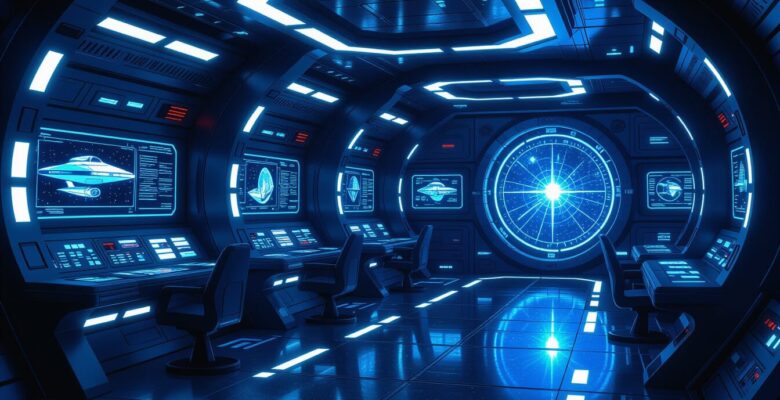
The Technical Manual for Star Trek Adventures 2E is a technology-and-reference supplement intended to deepen the mechanical and lore support options for players and GMs. It is 129 pages in a full-color format, and is available as a PDF now, with a hardcover preorder.
Rather than serving as a narrative module or setting expansion, the Star Trek Adventures Technical Manual focuses on the “how things work” side of the Star Trek universe: equipment, starship systems, new talents and career events, complication tables, and advice for infusing technology into missions. As such, it complements the Core Rulebook and the other supplements (Toolkit, Exploration Guide, etc.).
Modiphius officially describes the supplement as containing:
- comprehensive coverage of technology in the Star Trek universe, including replicators, starships, weapons, medical tech, holography, and more
- mechanical support: 10 new character career events, 16 new character talents, 5 new starship service records, 10 new starship talents, and a new weapon type (mines)
- over 20 random complication tables to generate device or system malfunctions or failures in play
- compatibility with both STA 2E and the earlier First Edition, as well as the Captain’s Log solo RPG
⚙ What You’ll Find Inside
The Technical Manual is organized roughly by divisions of technology and starship systems. Reviewers break it into these broad sections:
🔧 Command / General Tech
Early chapters address “tools for the job” — general-purpose tech, equipment, and standards across Starfleet and alien counterparts. It covers communication devices, PADDs, replicators, universal translators, and other baseline technological infrastructure.
There is also a focus on new mechanical rules in these chapters: character career events and talents tied to technical domains, giving players and GMs more flexibility to roleplay expert or inventive tech characters.
🧪 Science & Medical Tech
These chapters cover medical and scientific devices and services—diagnostics, biotech, medical implants, sensors, lab equipment, and the fiction of “how we do it in Star Trek.” The supplement provides tables, complications, and scenario suggestions for medical emergencies and scientific puzzles.
🚀 Engineering & Starship Systems
Arguably the heftiest section, this part dives into starship internals: shields, warp cores, engines, power conduits, grav plating, life support, artificial gravity, subsystem failures, complications, exotic shielding types (e.g. chronometric shields), and nonstandard system types.
This section also includes complication tables keyed to starship system failures—helpful tools to inject dramatic tension or mechanical hazard into mission sequences.
⚙ Extras & Random Tables
The supplement doesn’t stop at technology. It provides random tables for malfunctions, device quirks, environmental interference, and era-specific adversary tech complications. These are useful for GMs looking to surprise the players with tech-based challenges.
It also includes the new talents, career events, starship talents, and service records mentioned above, giving mechanical lift to what otherwise might be purely flavor.
🎯 Strengths — What Works Well
- Deep reference value for tech-minded groups
For players or GMs who enjoy the detail of how things work in Star Trek (engineering, system failures, technological nuance), this is a supplement that adds flesh to the bones. Reviewers praise that even non-RPG fans or casual Trekkies will find the tech lore interesting. - Mechanical expansion & flexibility
The new talents, career events, ship talents, and service records extend the game’s flexibility and let tech-specialist PCs shine. Rather than just flavor, many additions provide meaningful mechanical options. - Drama and tension via complications
The complication tables are a standout feature: they give GMs ready fodder for plot twists, system failures, or mission surprises. That elevates the supplement from reference to narrative tool. - Clean layout & readability
Reviewers note that the style is more legible than earlier retro LCARs aesthetics used in 1E supplements. The design aligns visually with the 2E core, making it comfortable at the table. - Compatibility & cross-value
Because the Technical Manual is usable with both 2E and First Edition (and even the solo RPG), it offers broader value to groups migrating or mixing materials.
⚠ Caveats & Limitations
- Cost vs page count
Some reviewers and commentators feel the price is steep relative to the 129 pages of additional content, especially considering that the core rulebook offers much more. The Technical Manual is seen by some as a specialized supplement rather than essential. - Niche usefulness
If your group isn’t keen on engineering drama, system complications, or deep mechanical tech intrigue, some of the content might go unused. The value is lower for play groups that lean heavily on narrative and often skip system failures. - Balancing new mechanical options
As with any supplemental talents or events, some may not have been as exhaustively playtested in all meta contexts. GMs should vet new options in their campaign contexts, especially if mixing with existing content. - Scope overlap
Some of the functions of the supplement (e.g. complication tables, minor system rules) may overlap with what a GM could improvise, or with existing toolkit or core mechanics, so parts of it might feel like extra polish rather than essential necessity.
🗡 Final Verdict
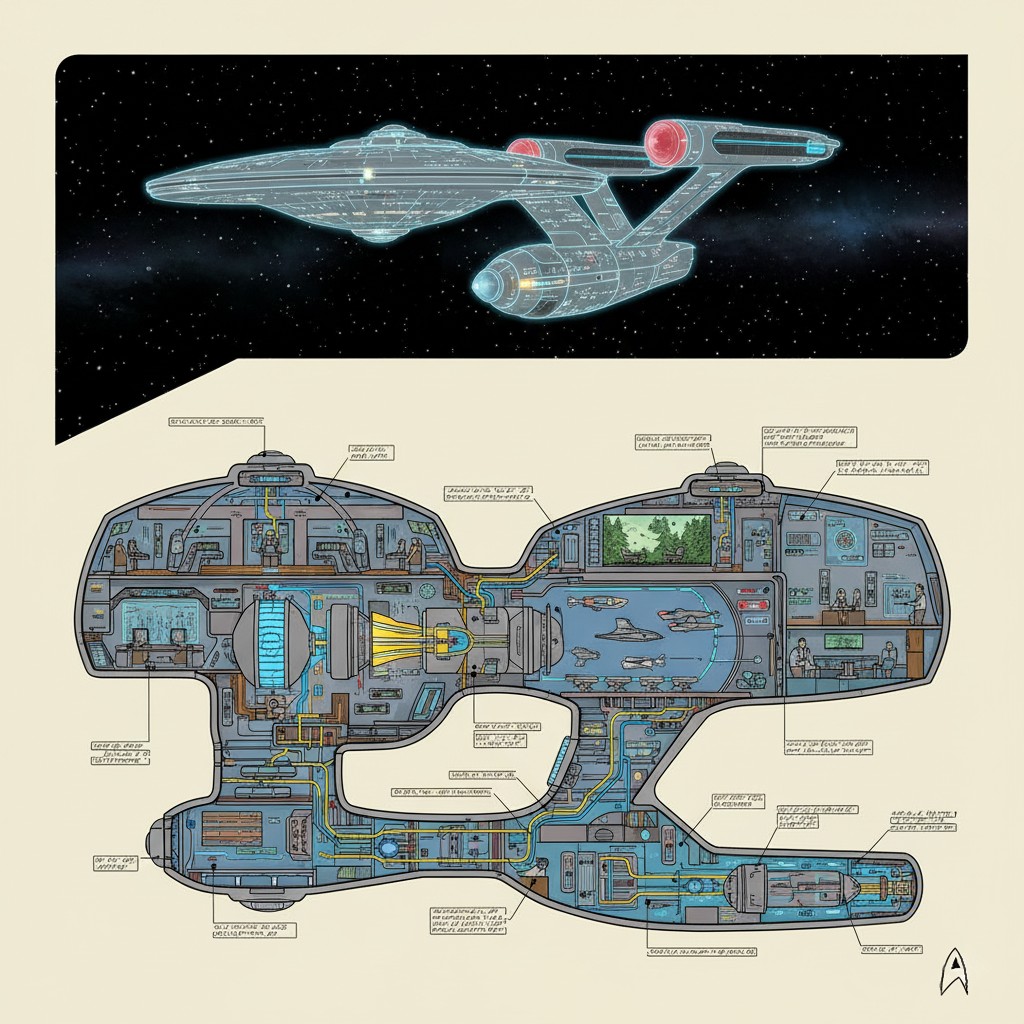
The Technical Manual is one of those supplements that excels in the right hands. If your campaign often features starship hazards, system malfunctions, or engineering challenges, this manual becomes a treasure trove—not only for realism but for dramatic tools. The complication tables, system deep dives, and mechanical expansions let technology be a dynamic player in your session, not just background set dressing.
However, if your group rarely engages with technical or mechanical tension, the manual becomes more optional than essential. Its richness is in the details, which for some tables may never be fully realized—but for the tech-curious or ship-focused crews, it’s a strong addition to the 2E line.
All told, this Technical Manual is a smart, well-produced supplement that expands the mechanical toolkit of Star Trek Adventures 2E without trying to overreach. For crews that love trouble in the warp core or drama in the engine rooms, it’s well worth the investment.