
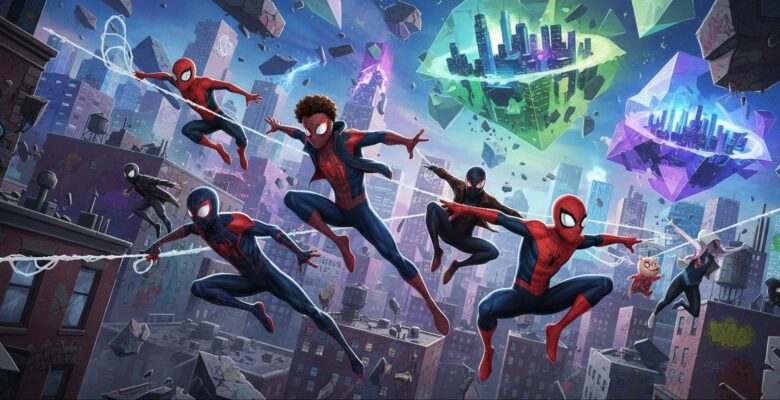
Spider-Verse Expansion is a dedicated supplement for the Marvel Multiverse Role-Playing Game, focused on Spider-Man and the infinite variety of Spider-Variants across the Multiverse. The hardcover released on March 18, 2025, runs 256 pages, and is written to let tables either run canonical Spider-Man stories or create wholly new spider-themed characters (from noir gumshoes to talking animal parodies). The expansion tightens the d616 system’s support for symbiotes, clones, and universal “spider” themes while supplying dozens of new NPCs, powers, and locales.
🕷️ Inside the Spiderverse — the practical additions
The Spider-Verse book is densely packed with player- and Narrator-facing material:
- New character options & powers — multiple spider-themed power packages, movement and web-use mechanics, and specialized Talents/Traits tailor-made for wall-crawlers and their foes.
- Symbiotes and Clones rules — systems for handling possession, shared sentience, and clone-drama (identity, memory, and replacement playhooks) so the game can model classic Spider-Saga beats.
- Massive character roster — canonical and alternate Spider-Variants: Spider-Man skins across eras and universes, Spider-Noir, Spider-Ham, and major antagonists like Carnage and Chasm statted for play.
- Setting material & maps — full-color maps (including NYC setpieces and Spider-lairs) and location write-ups to root Spider stories in recognizable environments; a map pack was also offered as a separate VTT / print accessory.
- Scenarios & campaign seeds — ready mission hooks and multi-session arcs oriented toward Spider-tropes (coming-of-age webslinger stories, symbiote outbreaks, clone conspiracies).
DriveThruRPG and major retailers list the product and the supplemental map pack, and early reviews and community previews indicate the expansion’s emphasis on utility for both one-shots and long arcs.
🕸️ How it plays at the table
The expansion pushes the core system toward Spider-specific drama and does so with a few clear goals:
- Fast, swingy mobility — Web movement and traversal rules let Narrators stage vertical chases and environmental stunts without bogging down in lots of modifiers.
- Identity drama — Clone and symbiote mechanics are more than gimmicks: they build roleplaying tensions (who is the “real” hero, who is the parasite, how do memories shift?) and give Narrators mechanical levers to generate moral and emotional stakes.
- Broad tone support — You can run lighthearted Spider-Ham scenarios, gritty noir arcs, or big cinematic struggles with symbiote outbreaks. The book supplies tonal guidance so the Narrator can keep a consistent feel. Community feedback reports that the expansion accommodates a wide variety of Spider-stories without extensive home-ruling.
Because the core d616 rules are still the engine under the hood, Marvel’s design keeps success/failure simple (roll 3d6 + trait vs. target), but the Spider-Verse Expansion layers in new Tags, Traits, and conditional effects that require some reading before play. Expect a short learning curve if you plan to use symbiotes or clone mechanics heavily. Early reviewer notes suggest the book balances added complexity with clear examples and ready-to-use NPCs.
✨ Highlights
- Symbiote & clone systems — These are the headline innovations: mechanically robust, narratively rich, and tuned to classic Spider plots (the books gives sample beats and mechanical triggers for possession, internal conflict, and memory loss).
- Playable variety of Spider-Variants — From serious (Spider-Noir) to silly (Spider-Ham), the expansion embraces the whole spider spectrum, making it ideal for groups who want variety without custom-building everything. Retail listings and community previews list dozens of new statted characters.
- Useful maps & VTT support — The separate map pack and downloadable VTT assets make running rooftop chases and citywide crises simpler—useful for online groups.
⚠ Things to watch
- Reference load — Adding symbiote rules, clone tables, and dozens of powers increases lookup. Narrators should prepare cheat sheets for the unique mechanics (possession triggers, clone conflict resolution).
- Balance pitfalls — Some symbiote abilities and cloned-character combos can produce surprising mechanical synergies; GMs should watch for unbalanced builds and use Rank / Power limitations if needed.
- Niche focus — If your table never wants to explore clones or symbiotes, some chapters will be less useful—this is a Spider-centric book, not a generic powers compendium. If you run more generic Marvel play, cherry-pick pages.
🧭 Who should buy it?
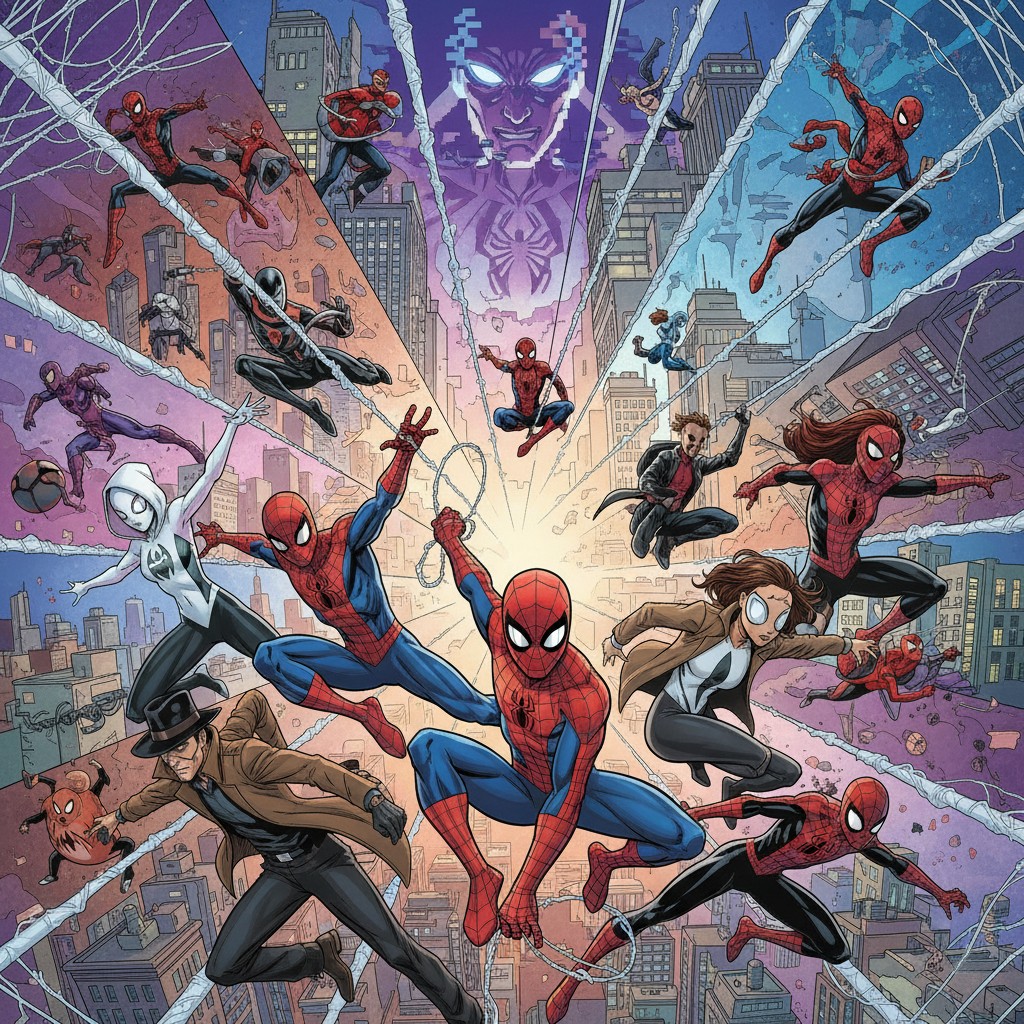
- Spider-fans & GM hobbyists who want canonical Spider lore and mechanics in one book.
- Groups who like genre variety — the expansion supports everything from parody to pulpy drama.
- Online tables — the VTT map pack and stat roster make it easy to run Spider campaigns remotely.
🗡 Final verdict
Spider-Verse Expansion is a well-executed, highly focused supplement that gives Marvel Multiverse RPG players the tools to tell authentic Spider stories. It’s strongest when you want to explore the personal and identity drama of the Spider mythos—symbiotes, clones, secret identities, and vertical action. While it adds mechanical weight in places, the book backs that up with clear examples, maps, and a rich roster so Narrators can run great Spider sessions from day one.
If you’re a Spider-verse fan or want to swing a campaign through webs, symbiotes, and clone conspiracies, this expansion is one of the more complete and playable superhero supplements released recently. For groups less interested in spider-specific beats, pick and choose the chapters you’ll use; for Spider devotees, it’s a must-have.