
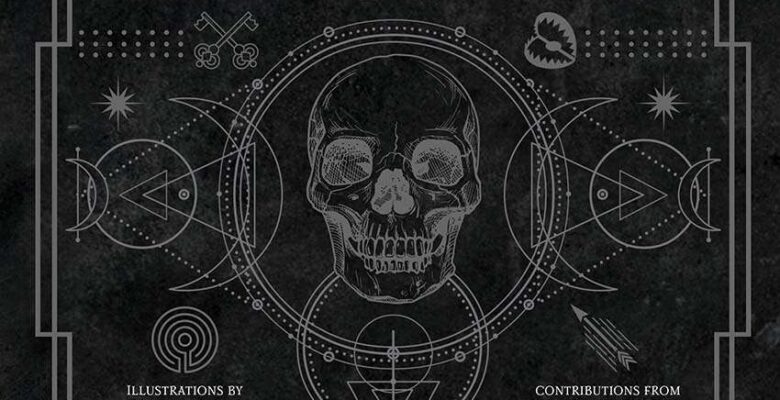
Published by Topix Media Lab, The Game Master’s Book of Traps, Puzzles and Dungeons is a practical toolkit aimed squarely at one of the most challenging aspects of adventure design: creating engaging, balanced, and memorable dungeons filled with hazards, riddles, and devious tricks. At just under 300 pages, it provides an extensive library of ready-to-use content while also serving as a design guide for game masters who want to sharpen their dungeon-crafting skills.
🎯 Purpose and Audience
This book is designed to support:
- Dungeon Masters / Game Masters running fantasy RPGs like Dungeons & Dragons, Pathfinder, or OSR-inspired systems.
- New GMs who want plug-and-play traps and puzzles that won’t unbalance their campaigns.
- Experienced storytellers seeking fresh inspiration or design frameworks for their own creations.
Its broad usability ensures it’s not tied to a single system—everything is rules-light and adaptable.
🔒 Traps
The first major section dives into traps, one of the most difficult dungeon elements to implement effectively.
- Variety: From simple pitfalls and dart launchers to magical wards and reality-bending devices, the book avoids repetition by offering traps at multiple complexity levels.
- Scaling guidance: Many entries include suggestions for adjusting difficulty, ensuring traps can challenge both novice adventurers and high-level parties.
- Contextual advice: Beyond mechanics, the book explains how to integrate traps into dungeon design so they feel like natural obstacles rather than random “gotchas.”
This makes the trap section as much about storytelling as it is about mechanics.
🧩 Puzzles
Puzzles are notoriously hard for GMs—they must strike the right balance between solvable and challenging. This section provides:
- Dozens of puzzles with clear solutions, many of which can be dropped directly into play.
- Different puzzle types: logic problems, physical challenges, symbolic riddles, and collaborative team-solving tasks.
- Accessibility tips: Suggestions for tailoring puzzles to the table, avoiding bottlenecks that can stall the narrative.
By grounding puzzles in story context (e.g., riddles left by ancient guardians), the book ensures they enhance immersion rather than distract from it.
🏛️ Dungeons

The heart of the book lies in its collection of dungeon blueprints and design advice.
- Pre-built dungeon maps: Ready to run, with thematic hooks ranging from crypts and arcane towers to labyrinths and fortresses.
- Dungeon design principles: Guidelines for pacing exploration, mixing traps and puzzles, and layering tension.
- Scalable encounters: Each dungeon includes notes for adjusting difficulty depending on party size or level.
The dungeons strike a strong balance between being usable as-is and serving as inspiration for customization.
🧭 Usability and Adaptability
One of the book’s greatest strengths is its system neutrality. While the tone and presentation lean toward D&D 5E, almost everything can be adapted to other systems with little effort. For example:
- Traps provide narrative triggers rather than fixed DCs, so GMs can assign checks suited to their ruleset.
- Puzzles are universal, requiring no mechanics at all beyond player ingenuity.
- Dungeons can be re-skinned to fit different genres—medieval fantasy, dark horror, or even pulp adventure.
This adaptability ensures longevity at the table.
⚖️ Strengths and Weaknesses
✅ Strengths
- Large collection of ready-to-use content for quick prep.
- Strong balance between inspiration and plug-and-play utility.
- Adaptable to multiple systems and genres.
- Clear, accessible writing with GM advice alongside content.
⚠️ Weaknesses
- Some GMs may want more advanced design theory beyond the practical tools.
- The art style and presentation lean heavily into classic fantasy—less useful for sci-fi or modern campaigns.
- Certain puzzles might feel familiar to veteran players if used without customization.
🏆 Final Verdict
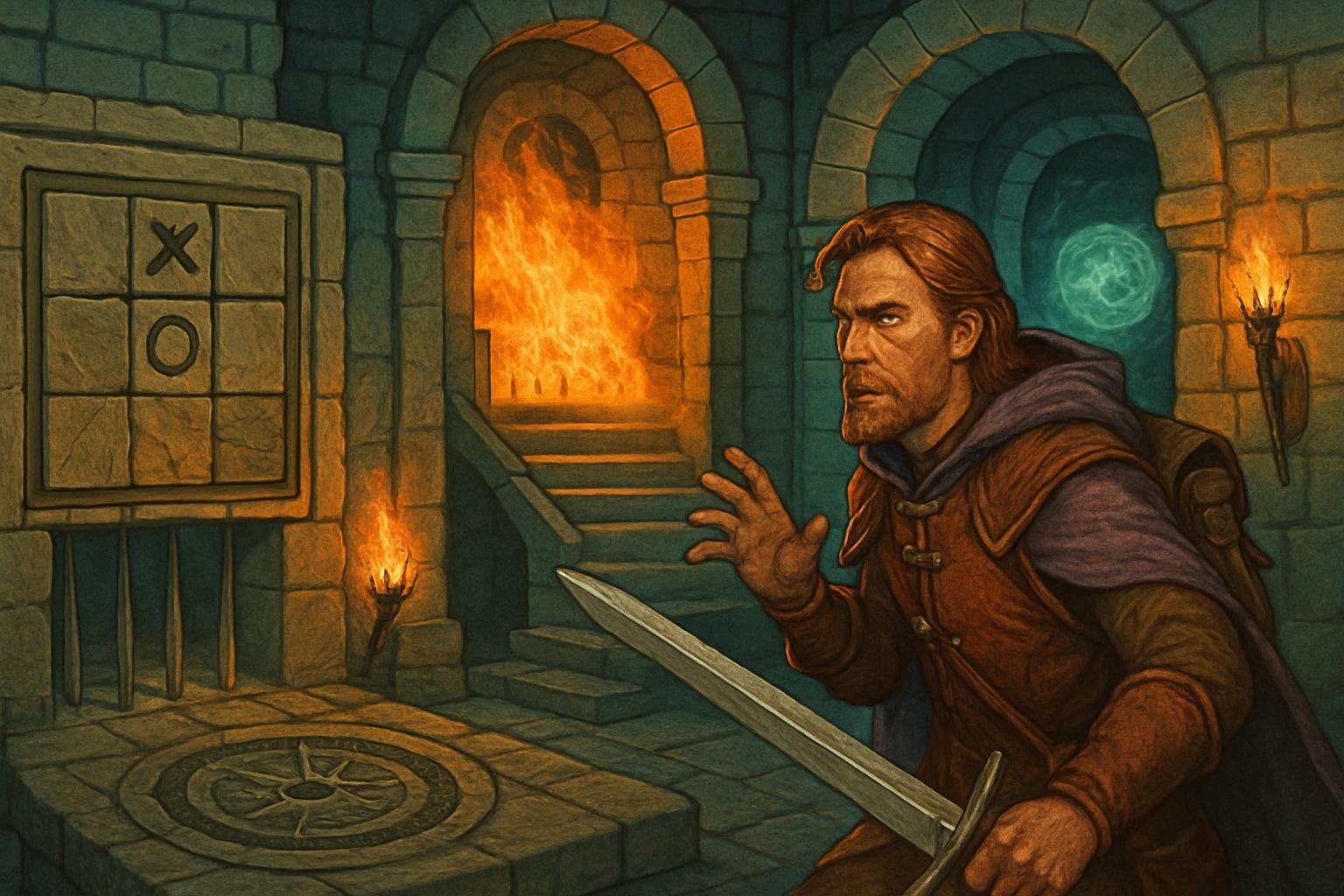
The Game Master’s Book of Traps, Puzzles and Dungeons succeeds in its mission: providing GMs with a reliable, imaginative toolkit that saves prep time and sparks creativity. While not every page will be equally relevant for every campaign, the sheer breadth of material ensures long-term usefulness.
It’s a book that works equally well as an emergency prep saver and as a source of design inspiration. For dungeon-heavy campaigns in particular, it’s a standout resource.