
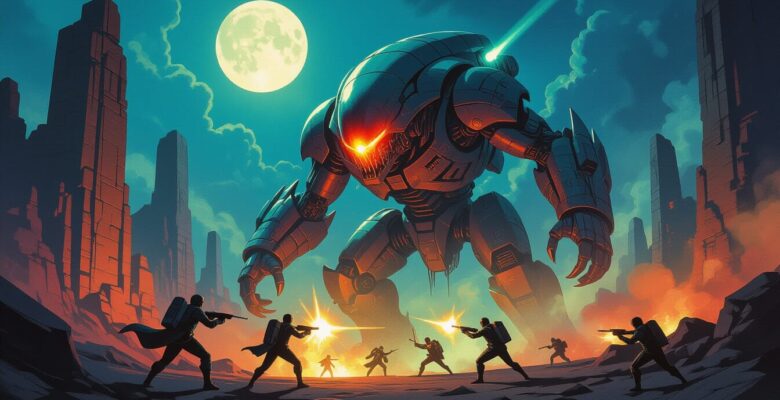
Skydawn Game Studios’ Phantasy Star Tabletop Roleplaying brings Sega’s classic sci-fi JRPG setting to the tabletop as a full-featured RPG package: a core rulebook, galactic setting material, character options, starship rules and support, and downloadable play aids. The product is available now as a PDF on DriveThruRPG.
For long-time Phantasy Star fans the headline is simple: this is an officially licensed, tabletop adaptation that packages the Algol-system mythos (lore, locations, and iconic foes) with a ruleset and starter adventures so groups can play in that universe without needing to convert videogame mechanics themselves. The publisher emphasizes a “streamlined rules” approach, a lore chapter with expanded timeline and art, and pregen/starter scenarios for new players.
⚙️ System & Mechanics (what you can expect)
Skydawn describes the rules as a “streamlined” tabletop RPG engine tailored to genres of space opera and cosmic fantasy; however, the core mechanics are presented inside the PDF rather than as an open system license. The book packages character creation, combat, starship operation, and GM guidance in a single volume—enough to run both ground-level missions and shipboard play. Official downloads already include character and starship sheets to support play.
Public commentary and early community threads compare some action-economy features to contemporary tabletop designs (and some observers draw parallels to D&D-style action types), but Skydawn’s materials emphasize their own flow: quick adjudications, clear skill/action categories, and rules for starship encounters that let groups shift between planet and space phases without cumbersome conversion. Because the core is bundled and sold as a distinct product, groups should plan to use Skydawn’s rulebook as the authority on mechanics rather than relying on conversion from other systems.
🧑🚀 Character creation & playstyles
The book aims to let players build classic Phantasy Star archetypes (hunters, rangers, mages/tech users, and various human/alien ancestries) while preserving player choice for customization. Skydawn’s marketing material highlights “character options” and quick-start pregens that echo familiar videogame roles—ideal for groups that want to recreate the party interplay of the games without wrestling with a videogame’s UI or balance rules. The product page explicitly advertises a starter adventure and pre-gen characters as bonus content for early buyers.
Mechanically, expect broad skill categories and an emphasis on storyable special abilities (tech/magic hybrids, iconic equipment like rifles and photon weapons, and modular starship roles). The downloadable sheets provide the practical forms tables need—character sheets and starship sheets—so the mechanical transition from reading to playing is immediate.
🚀 Starships, combat & exploration
A major selling point for a licensed Phantasy Star RPG is starship play, and Skydawn ships both the rules and practical play aids for that purpose. The DriveThruRPG storefront and Skydawn downloads include a separate starship/ship sheet intended to support movement, ship-to-ship conflict, and space exploration—allowing a group to alternate between dungeon, city, and interstellar scenes without heavy rules gymnastics.
From the materials available, ship combat is treated as a discrete mode (with simplified resolution and escalation mechanics), while exploration emphasizes mission design—planetary objectives, faction contacts, and environmental hazards. If your table enjoys switching play scales (squad-tactics to capital engagement), these sections are the most valuable part of the book’s toolbox.
🗺️ Setting & Lore — Algol and beyond
Skydawn’s release makes clear that the core book is also a lore compendium: a chapter-length “galactic lore” portion includes a timeline, illustrated histories, and expanded world material intended to help GMs adapt Phantasy Star plots or craft new ones anchored in recognizable franchises beats. The company notes the adaptation focuses on the classic series material—if you want the feel of Algol, Motavia, Palma or Rykros in tabletop form, the book provides maps, cultural notes, and adventure seeds.
That said, buyers seeking exhaustive encyclopedic canon should check how Skydawn frames what’s included: the product emphasizes a “setting guide” with enough detail to run immediate adventures, not an exhaustive lore encyclopedia, and the publisher explicitly markets a starter quest (“The Search for Luveno”) as a tutorial for new players.
🎨 Presentation & Production quality
Skydawn’s storefront and the Kickstarter/preorder campaign show a glossy, full-color layout for the hardcover product; the PDF is available now on DriveThruRPG. Early product images and sample pages indicate a modern typographic layout, full-color illustration, and compact organization geared toward ease of reference at the table. The publisher’s preorder offering bundled a free PDF and a starter adventure for customers who ordered before a cutoff date.
As with many licensed books, production value is a distinguishing factor: Skydawn’s marketing highlights illustrations, a timeline, and downloadable tools. If physical quality matters to you, the hardback edition appears to be the definitive collector option (and Skydawn’s site lists an estimated ship date for hardcovers in late 2025).
🧭 Playability — at the table experience & pacing
From the available materials and early community impressions, Phantasy Star Tabletop is deliberately approachable: the included starter scenarios and pregenerated characters make it an easy pick for groups who want to run a single-session adventure or an ongoing campaign in the Algol universe. The game’s rules aim for relatively fast adjudication so sessions can swing between ground-side dungeon crawls and skyward setpieces without bogging down. The downloadable sheets and starter content cut the friction further—if you have a PDF and the character/ship sheets, you can be playing within an hour.
Community reaction is broadly enthusiastic among franchise fans; discussion threads praise the official licensing and accessibility, while some users have asked for more clarity about the exact action economy and long-term progression systems (topics that often crystalize after more groups have run multiple campaigns). Early buzz suggests Skydawn hit the right balance for one-shots and short campaigns, with the longer campaign expectations pending more play reports.
✨ Strengths — what this book does well
- Official, playable Phantasy Star universe: For many players, the core appeal is the license and the ability to play in the classic Phantasy Star setting without piecing together disparate fan conversions. Skydawn’s package gives that in one place.
- Immediate playability: PDF + pregens + starship sheets = low friction to start play; the “starter adventure” approach is ideal for onboarding new groups.
- Balanced scope for planet and space: The book includes both ground and starship play tools, letting GMs alternate modes without awkward conversion or external rules.
- Production values & support assets: Full-color layout, artwork and downloadable sheets give the product a polished, ready-for-table feel.
⚖️ Weaknesses & caveats — what to watch for
- System specifics still unfolding: While the PDF contains the rules, community discussion continues about long-term progression, action economy nuance, and how closely the book’s crunchy bits map to expectations from other modern RPG systems. If you prioritize an extensively play-tested mechanical profile, watch for continued user reports.
- Scope of license & content limitations: Some online commentary notes that licensed tabletop adaptations sometimes focus on “classic” canon and may not include later IP elements; buyers seeking exhaustive coverage of every Phantasy Star era should check Skydawn’s content notes and FAQs. (Skydawn’s pages emphasize classic series lore.)
- Price point for collectors: The hardcover MSRP is at the mid-to-upper range for single-book RPG releases. If you only want the rules, the PDF is a significantly lower cost option.
🧭 Who this is for
- Franchise fans who’ve wanted an official, table-ready Phantasy Star experience.
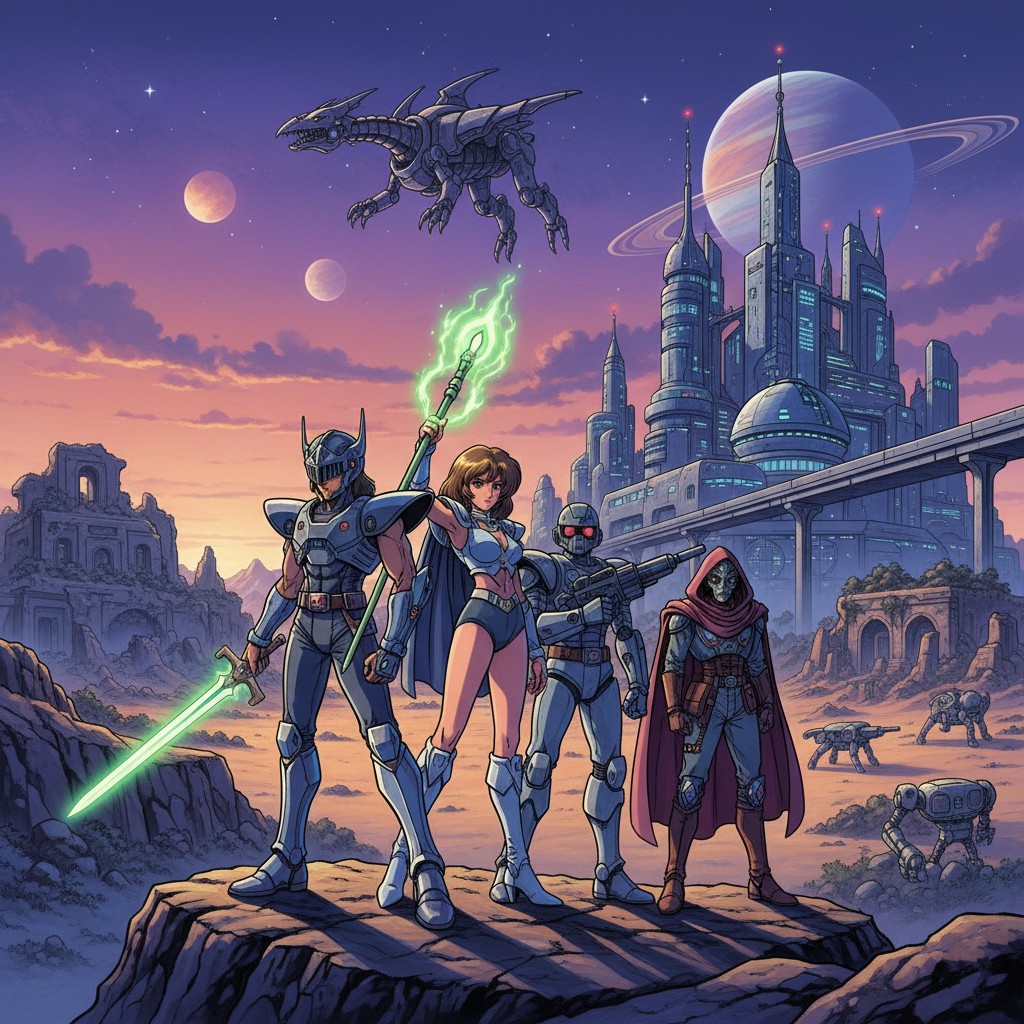
- Groups that enjoy space opera + JRPG tropes and want starship play and planet exploration in one product.
- One-shot / convention GMs who value a quick-start adventure and pregenerated teams for fast pickup play.
Not ideal for groups who want a fully open-license system for conversion or those who require extremely deep, simulationist mechanics out of the box.
🗡 Final verdict
Phantasy Star Tabletop Roleplaying is a well-executed, fan-focused adaptation that succeeds on its core promise: bring the Algol universe to tabletops with a single, supported package. Skydawn’s PDF makes the rules accessible now and the hardcover edition offers a collector-grade option later in 2025. The product’s strongest features are its low barrier to play, the inclusion of both character and starship tools, and the polished lore chapter that will please longtime series fans.
If you want an official Phantasy Star RPG that lets you run both dungeon-style missions and starship expeditions without juggling multiple systems, this is a fine place to begin. If your priority is a deeply-crunchy, long-term progression engine whose balance is proven over hundreds of sessions, you may choose to let the community run extensive campaigns first and watch for errata or hotfixes. Either way, for fans of the series and for groups eager for an approachable sci-fi JRPG tabletop, Skydawn’s entry deserves close attention.