Mythras (available on Amazon and DTRPG), first released under its current name in 2016 (following a brief earlier life as RuneQuest 6), is Design Mechanism’s flagship tabletop roleplaying game. Built on the percentile-based mechanics of the classic Basic Roleplaying (BRP) framework, Mythras offers a flexible, detailed, and setting-agnostic system designed to support a wide range of genres—from historical to sword & sorcery to mythic epics. It is both a spiritual successor to BRP and a modernized toolkit in its own right, retaining familiar mechanics while introducing thoughtful refinements in presentation, combat, and character progression.
Core System
At its heart, Mythras uses a d100 roll-under mechanic: you roll percentile dice and succeed if the result is equal to or under your skill percentage. Degrees of success matter, and the system includes critical successes, special successes, and fumbles, all of which bring nuance to gameplay. Opposed rolls determine outcomes where two forces are in direct competition, while resistance tables and situational modifiers help model environmental or circumstantial challenges.
The system’s modular nature is one of its greatest strengths—while the rules cover combat, magic, and social systems in detail, almost all elements can be tailored or omitted to fit the GM’s preferred style and genre.
Character Creation
Character creation in Mythras is lifepath-inspired and skill-driven. Rather than locking players into rigid classes, the system uses a combination of attributes, culture, career, and personal choices to create highly individualized characters.
- Attributes: Derived from dice rolls or point allocation, covering core stats like Strength, Dexterity, Constitution, Size, Intelligence, Power, and Charisma.
- Attributes → Skill Bases: Base percentages for skills are calculated from these attributes, creating mechanical variation between characters right from the start.
- Culture & Career: Cultures provide background skills and flavor, while careers define professional competencies. This combination ensures that characters feel grounded in the game world’s social fabric.
- Free Skill Points: Players customize further by allocating points into any skill, giving them control over specialization.
The end result is a character who is mechanically and narratively unique, with a history tied to the setting.
Skills and Task Resolution
Mythras is skill-based rather than level-based, so advancement comes through skill improvement over time rather than abstract “level ups.” Skills are grouped into categories such as Combat, Practical, Social, and Magical, and advancement is earned through successful use, training, or experience rolls.
One of the standout features is the opposed roll mechanic. Social challenges, duels of wit, and magical contests are resolved with the same degree of tactical engagement as combat, giving equal weight to non-combat scenes.
Combat System
Combat in Mythras is tactical, gritty, and dangerous. It uses Strike Ranks to determine action order, a system that accounts for weapon reach, readiness, and situational positioning. Each combatant gets a limited number of Action Points per round, which can be spent on attacks, parries, dodges, or special maneuvers.
Notable combat features include:
- Special Effects: On a successful attack or defense with a better degree of success than your opponent, you gain access to tactical maneuvers—disarm, trip, bypass armor, press advantage, and more.
- Hit Locations: Attacks target specific body parts, with injuries potentially causing serious penalties or even immediate incapacitation.
- Deadliness: Even experienced characters can fall to a well-placed blow, making planning and positioning crucial.
This design makes combat feel consequential and cinematic while discouraging reckless behavior.
Magic Systems
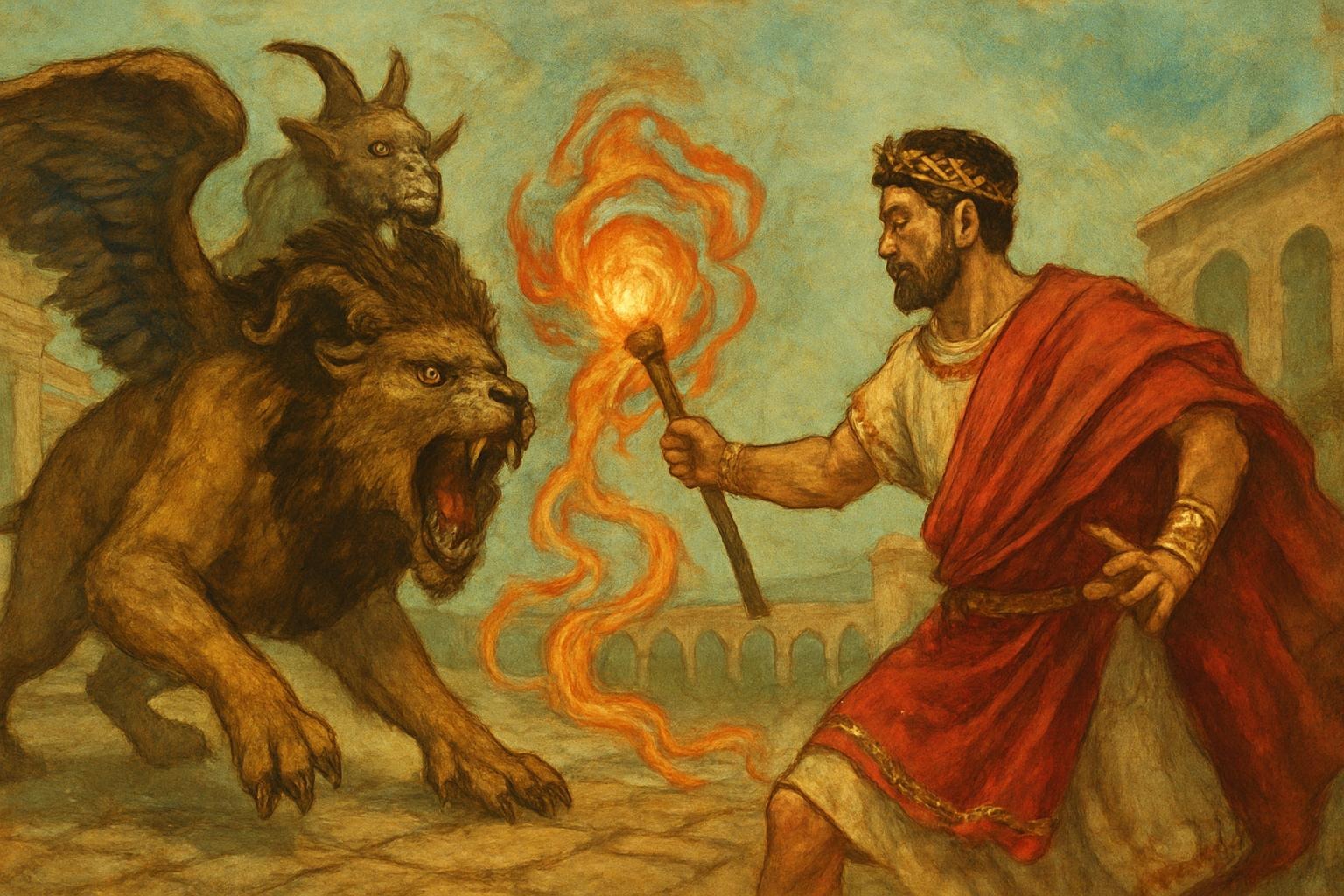
Magic in Mythras is modular, with five fully fleshed-out systems:
- Folk Magic – Low-powered, everyday magic.
- Animism – Spirit-based magic involving negotiations and bindings.
- Theism – Miracles granted by deities.
- Sorcery – Intellectual manipulation of magical forces.
- Mysticism – Self-enhancement through inner power.
These can be used individually or mixed in the same campaign. The flexibility means a GM can tailor the level of magical influence to match their world’s tone—anything from low-magic historical campaigns to high-magic epics.
Presentation and Production Quality
The Mythras Core Rulebook is a dense but well-organized 300+ page hardcover (and PDF) with a clean, readable layout. The black-and-white interior artwork complements the system’s grounded tone—leaning into realism rather than high-fantasy excess. The writing is concise and clear, making the book both a reference tool and an educational guide to running BRP-style games.
The book is setting-agnostic, which is both a strength and a limitation: it offers complete mechanical support for nearly any style of game, but you’ll need to provide or choose your own world. The Design Mechanism’s growing catalog of supplements—such as Mythic Britain, Mythic Babylon, and Luther Arkwright—show how the core can be adapted to radically different genres.
Strengths and Weaknesses
Strengths
- Flexible and genre-agnostic, works for fantasy, historical, or modern settings.
- Deep, tactical combat with meaningful choices and consequences.
- Detailed and varied magic systems for tailored worldbuilding.
- Lifepath-style character creation produces unique, story-rich PCs.
- Clean presentation and high editorial quality.
Weaknesses
- Steeper learning curve than some narrative-focused RPGs.
- Can be too lethal for groups used to heroic power curves.
- Lack of default setting requires more prep from the GM.
Conclusion
The Mythras Core Rulebook is one of the most versatile and thoughtfully designed percentile-based RPG systems available today. It blends the heritage of BRP with modern sensibilities, creating a game that is robust, tactical, and highly adaptable. Its modular approach means it can handle anything from gritty historical drama to high fantasy without forcing a GM into a specific genre box.
However, that same flexibility comes with a demand: Mythras shines brightest in the hands of a GM who enjoys worldbuilding and customization. For groups willing to invest the time to learn its nuances, Mythras delivers a richly rewarding, deeply immersive roleplaying experience.