

The X-Men Expansion is the first full-sized sourcebook supplement for Marvel Multiverse RPG (written by Matt Forbeck). It was published in hardcover on August 6, 2024, running 256 pages. Its focus is the mutant side of Marvel’s universe: showing not only the iconic core X-Men teams, but also spinoff mutant groups (X-Force, New Mutants, Marauders), and enemy mutant factions. The expansion adds new rules, character options, locations, powers, and plot hooks specifically suited to mutant-centered campaigns.
⚙️ What It Adds — Content & Mechanics
Based on publisher descriptions and early reviews, here are the major new inclusions:
- New Profiles: Dozens of mutant characters beyond those in the core book—heroes, villains, allies—from teams like X-Force, New Mutants, Marauders.
- New Rules / Mechanical Options: Extra Traits, Tags, and Powers tailored to mutant dynamics (for example, abilities emblematic of mutant teleportation, mutation powers, maybe luck-style mutant quirks).
- Character Creation Enhancements: Mutant-specific options for building characters—likely more flexibility or nuance for mutation, training, and origin stories unique to mutants.
- Locations and Maps: Full-color maps of famous mutant landmarks, including the Xavier Institute, Krakoa, and Arakko. These are intended for use in campaigns as setting anchors.
- Team Histories, Lore & Plot Hooks: Chapters covering team histories (X-Men, X-Force, etc.), their membership over time, their recurring adversaries, lore bits to enrich campaigns. Additionally, plot hooks aimed at mutant stories: discrimination, mutant politics, “young mutant” arcs, etc.
🔍 How It Feels At the Table
From early feedback and reviewing the contents, here’s how the X-Men Expansion performs in gameplay:
- Mutant-centric campaigns are now more viable: With a stronger slate of mutant NPCs, mutant traits and powers, relevant settings and maps, GMs can run campaigns deeply rooted in mutant culture, politics, and conflict without constantly shoehorning mutant content from outside sources.
- Greater thematic depth: The inclusion of locations like Krakoa/Arakko and new lore about teams means campaign narratives can be more than “beat the bad guy” — you can explore ideological conflict, mutant identity, the toll of mutation, etc.
- More mechanical variety: New powers / tags (especially mutant-unique ones) open up combinations and character concepts not fully covered in the core rules. Early impressions are that this helps avoid “power overlap” where mutants felt like re-skins; instead, value is added mechanically.
- Drawbacks in complexity: As with any large supplement, there is a volume of content to absorb; mutant groups may need to reference many new powers, traits, and NPCs. For players who prefer lean character builds, the X-Men Expansion adds more choices to weigh — which can slow decisions.
- Fan service is strong: For Marvel / X-Men fans, the games gains much in seeing canonical mutant factions, beloved characters, and iconic locations represented in stat block and map form. The artistic work appears polished and thematic.
✨ Highlights
- Maps & setting representation: The inclusion of full-color maps of mutant headquarters (Xavier Institute, Krakoa, Arakko) is a major plus for immersive play. They give tangible places for drama, intrigue, and base operations.
- Roster depth: The range of profiles from multiple mutant teams (not just the main-X-Men) allows for diverse campaign antagonists or allies; makes it easier to mix and match character arcs.
- New powers & mutant-specific customization: Mutant powers tend to have more flavorful, unusual effects; the Expansion seems to push the boundaries of what mutants can do in the existing d616 system, enhancing both mechanical and narrative potential.
⚠ Things to Watch & Trade-Offs
- Potential balance concerns: With many mutant powers and tags, there’s a risk that some mutant characters outshine others (especially “non-mutant” heroes) depending on power combinations and GM oversight.
- Steep learning curve for new players: Players who didn’t get deep into the core book may find the expansion’s new options overwhelming; they may need time to understand mutant-specific powers, traits, and how they interlock with core mechanics.
- Expectation vs narrative commitment: The lore inclusion raises expectations: if you include Krakoa, then plot hooks about mutant sovereignty, political conflict, maybe even world building become more front and center. GMs must be ready to engage with that, or risk the expansion’s settings feeling under-utilized.
- Availability / cost: Given hardcover prices and the size, some users note that the expansion’s price is steep, especially if bought at launch. For fans mainly interested in a few mutant profiles, this may feel like paying for content you’ll only use partially.
🧭 Fit & Audience
This expansion is especially good for:
- Players who want to run mutant-focused campaigns: coming of age mutant stories, Krakoa politics, mutant teams vs anti-mutant sentiment, etc.
- Fans of X-Men lore who want official representations: canonical characters, location art/maps, histories.
- GMs who like large campaign arcs that include social/moral complications (mutant rights, internal mutant politics, interactions with governments, etc.), not only superhero vs villain action.
It may be less essential for:
- Casual players who don’t use many mutant characters or who prefer non-mutant superpowered heroes.
- Those who prefer lighter or minimal supplements; if you’re only looking for a couple of mutant NPCs, the full book may offer more detail than needed.
🗡 Final Verdict
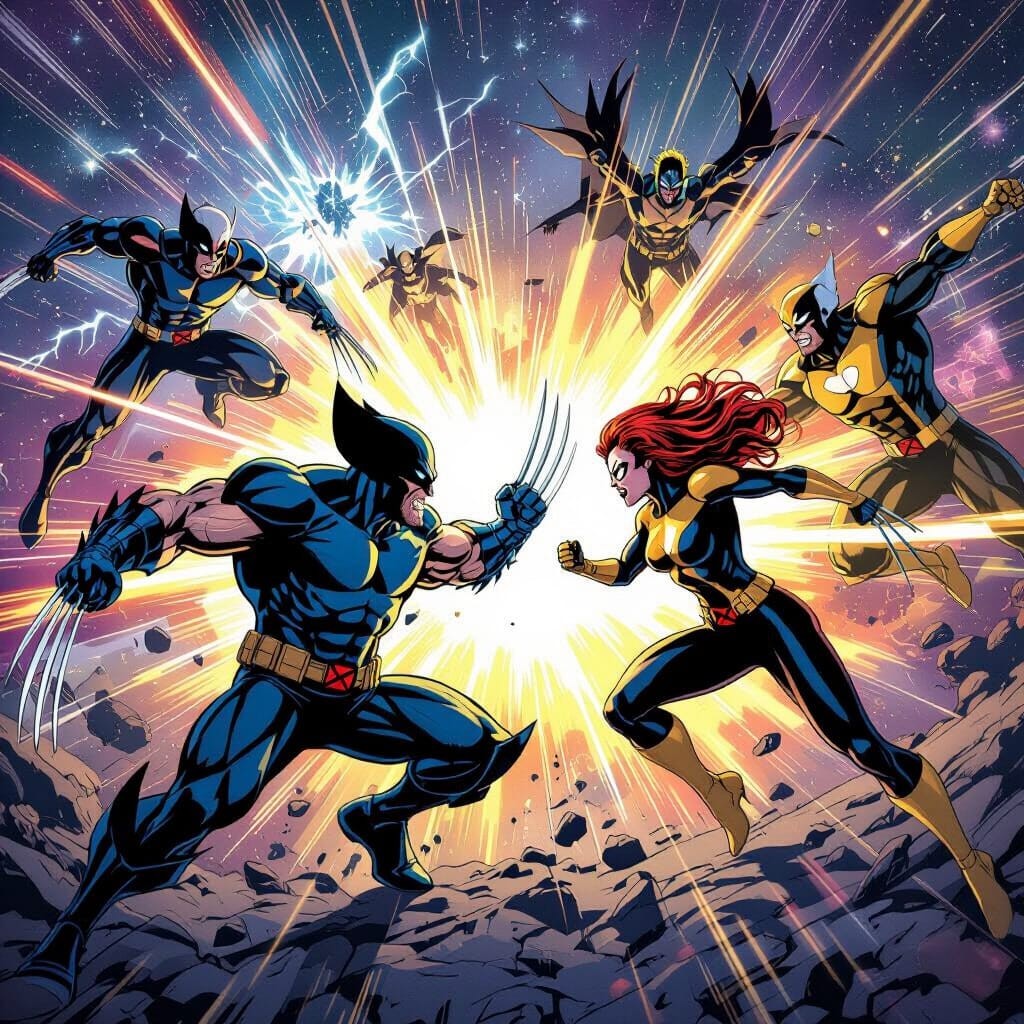
Marvel Multiverse RPG: X-Men Expansion is a strong first major expansion for the system. It enriches the game with mutant lore, new powers, characters, and locations that allow X-Men players and GMs to build more mutant-centric stories with depth and authenticity. For Marvel and X-Men fandom, it’s a treat; mechanically and thematically, it adds meaningful new tools.
If you’re invested in the core Marvel Multiverse RPG and want to lean into mutant mythology and narrative, this expansion significantly improves what you can do. If you’re less invested, or cost is a concern, some parts may sit on your shelf more than in your campaign, but even then the breadth and quality make it a worthwhile investment for many groups.