
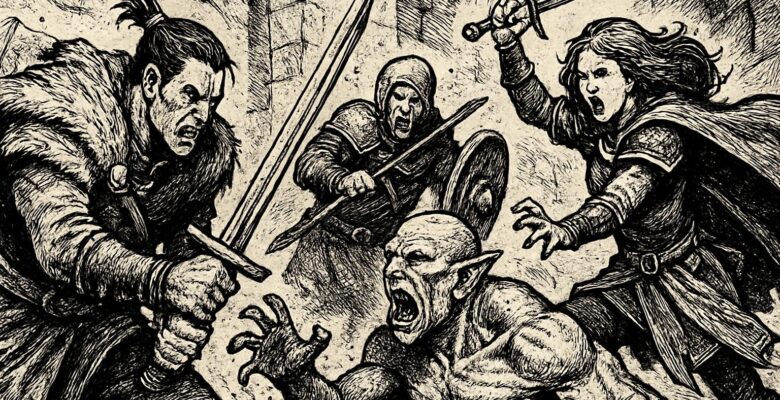
EZD6 is a rules-light, cinematic tabletop role-playing game created by DM Scotty (Scott Roepel), best known for his crafting content on The DM’s Craft YouTube channel. Published in 2022 and illustrated by the iconic Runehammer (Hankerin Ferinale), EZD6 quickly made a splash in the TTRPG scene by offering something refreshingly simple, immediately accessible, and delightfully pulpy.
Designed to eliminate complexity and encourage fast-paced storytelling, EZD6 strips down fantasy RPG mechanics to the essentials while still offering enough structure to satisfy tactical and narrative players alike. The result is a game that lowers the barrier to entry without sacrificing excitement, creativity, or character identity.
System Overview
EZD6 is what it says on the tin: a roleplaying game powered almost entirely by rolling six-sided dice (d6s). Its core mechanic revolves around target numbers and rolling a pool of d6s to see how many successes you achieve — reminiscent of some story games, but implemented with a unique tone and flavor that distinguishes it.
Core Mechanics:
- Task Resolution: Roll a number of d6s (usually 1-3), trying to beat a target number of 3+. Successes indicate degrees of effect; no complicated modifiers or tables to reference.
- No HP: Characters don’t have hit points in the traditional sense. Instead, they use a “Wound” system — you can only take a few hits before being incapacitated, emphasizing danger and drama.
- Hero Dice: Players earn these for cool or brave actions and can use them to turn the tide in future rolls — they encourage narrative flair and heroic risk-taking.
- Effortless Magic: Spells aren’t bound by long lists or complex mechanics. Casters are given broad magical domains, and it’s up to the GM and players to interpret spells within that theme. Spell failure can come with humorous or dangerous side effects.
The game offers archetypes and paths (like classes and backgrounds), but character creation is designed to take minutes rather than hours. Advancement is narrative-based, not experience-point-driven, and the emphasis is always on what’s happening in the story, not on fiddly math.
Tone and Style
EZD6 is unabashedly rules-light and proudly cinematic. It’s designed for game masters who want minimal prep and players who want to jump into the action. The book actively encourages improvisation and collaboration over optimization or technical mastery.
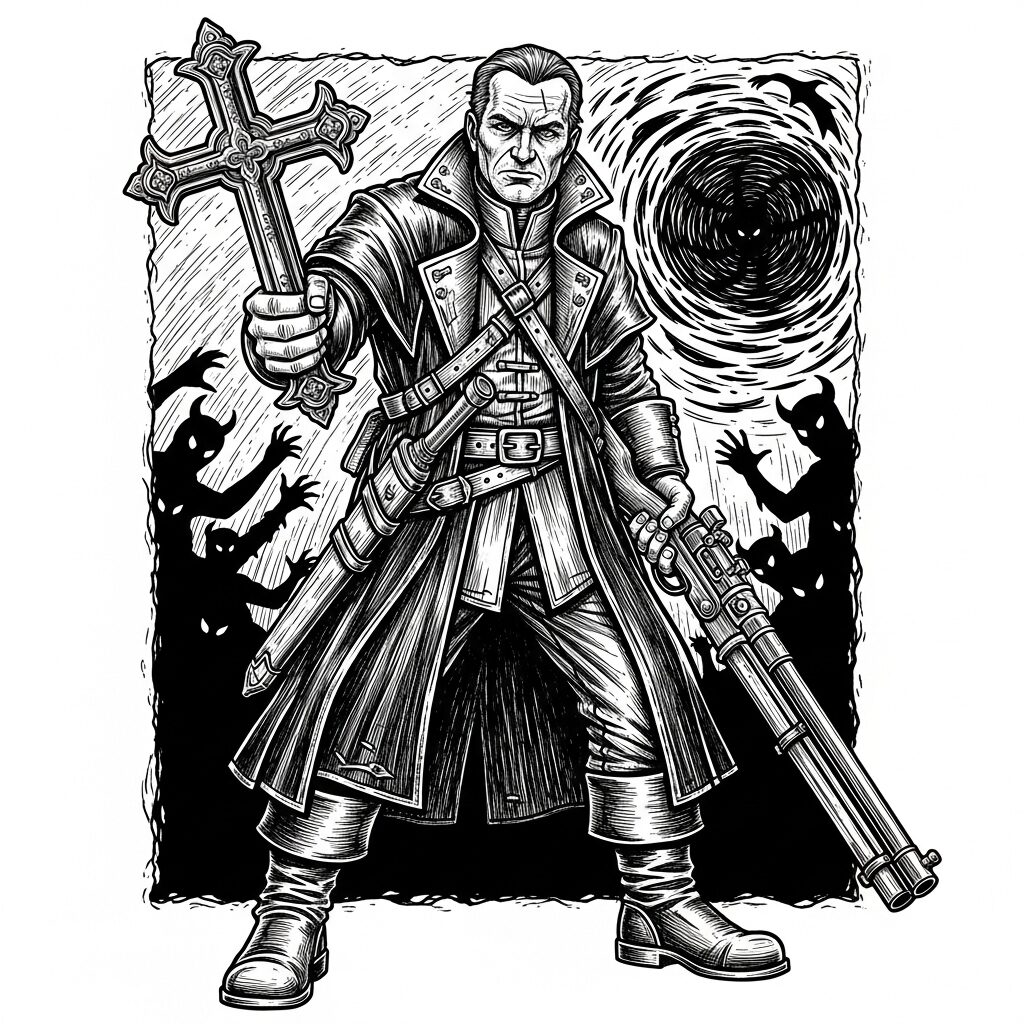
The tone of the writing is conversational, energetic, and fun. DM Scotty’s voice shines through in the explanations, examples, and advice — making the book feel like a friendly workshop rather than a dense manual. The layout is clean, readable, and punctuated with lively illustrations from Runehammer that lean into the pulp-fantasy aesthetic.
Strengths
🎲 Incredibly Fast to Learn and Teach
EZD6’s biggest strength is its simplicity. The system can be taught to new players in under 15 minutes. For veteran groups looking for a palette-cleanser or one-shot engine, it’s perfect. For new players or young gamers, it’s one of the most accessible full-featured RPGs on the market.
⚔️ Cinematic Play, Not Crunchy Combat
Combat is fast, lethal, and flashy. There’s no initiative order by default — players act in a flexible sequence governed by the flow of the scene. Enemies drop quickly, and characters go down after just a few wounds, keeping encounters snappy.
🧙 Flexible Magic System
Instead of predefined spell lists, casters are given magical disciplines (e.g., Fire Mage, Necromancer) and improvise effects from them. It fosters creative spell use and avoids the classic “I cast Fireball again” routine. The GM decides outcomes based on the context and player narration, supported by the “fail forward” mindset.
📚 Great for One-Shots and Campaigns Alike
Despite its lightweight design, EZD6 scales well. The game includes optional rules for leveling, advancement, and world-building. It’s robust enough to sustain a long-form campaign, especially with a narrative-leaning GM.
💡 Strong GM Advice and Tools
The rulebook doesn’t just explain the system; it also offers a compact yet insightful section on running good games. From advice on managing narrative pacing to using random tables to spark ideas, it’s beginner-friendly but not shallow.
Weaknesses
📏 Not for Crunch Fans
EZD6’s strength is also its limitation. If you or your players enjoy detailed mechanics, deep tactical options, or system mastery, EZD6 may feel too light. There are few hard-coded features to exploit or optimize.
🎭 Narrative Load Falls on the GM
While the rules are lightweight, EZD6 leans heavily on GM interpretation. There are no CR systems, spell DC tables, or encounter builders. This gives GMs freedom but may intimidate those looking for more structured scaffolding or new to running games.
🗡️ Combat Can Feel Swingy
Because characters can only take a few hits and there are no armor or hit point buffers, combat is brutal. This works thematically, but some players may feel like they go down too easily unless you apply optional mitigation mechanics like narrative armor or grace points.
Ideal Audience
EZD6 is perfect for:
- New GMs and players seeking an easy entry point.
- Groups who prefer storytelling and improvisation over crunch.
- One-shot campaigns, convention play, and episodic adventures.
- Fantasy fans who want to avoid 300-page rulebooks and bloated character sheets.
Less ideal for:
- Players who enjoy min-maxing, feat trees, or complex build strategies.
- Campaigns heavily reliant on tactical grid combat or strict balance.
- GMs who want mechanical consistency over rulings.
Presentation and Production
The EZD6 Core Rulebook is compact (about 80 pages), well-organized, and visually engaging. Runehammer’s black-and-white art brings a kinetic, sketchbook energy to each page, complementing the DIY spirit of the game. The print edition is sturdy and affordable, with a premium feel despite the low price point.
The book includes:
- Full rules for players and GMs.
- Archetypes and magic paths.
- Rules for leveling and advancement.
- A sample setting (scrolling adventure in a floating island world).
- Several appendices with oracles, tables, and roll prompts.
Comparison to Other Rules-Light Games
| Game | How EZD6 Compares |
|---|---|
| Knave | Both are minimalistic, but Knave uses old-school principles. EZD6 is more cinematic and less about inventory management. |
| Into the Odd | EZD6 leans more heroic, less weird; both have fast combat and simple character generation. |
| Fate Accelerated | EZD6 is more trad-fantasy and structured. Fate is more abstract and narrative-driven. |
| Dungeon World | DW uses narrative triggers and PbtA mechanics. EZD6 favors rulings over rules and is quicker to resolve actions. |
Final Verdict
EZD6 is a triumph of clarity, accessibility, and momentum. It doesn’t try to be everything — it just tries to be fun, fast, and playable — and it succeeds with charm and confidence. Whether you’re an experienced GM looking to run a quick one-shot or a brand-new player intimidated by 5e’s rulebook, EZD6 gives you the tools to jump into the adventure with zero prep and maximum energy.
It’s not a replacement for heavier systems, but it’s an invaluable addition to any TTRPG shelf. Think of it as your go-to toolkit when you want to stop flipping pages and start telling stories.