
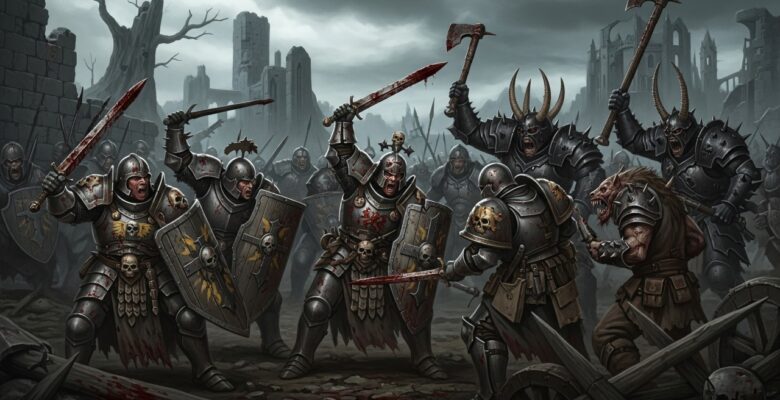
Cube 7’s Warhammer: the Old World Roleplaying Game revisits the grim, perilous Age of the Three Emperors—roughly 200 years before Karl Franz’s reign—using a new but familiar-feeling system that draws inspiration from Warhammer Fantasy Roleplay (WFRP) yet stands on its own merits.
- Dice Pool Mechanics: Players roll a number of d10s equal to a Characteristic (e.g. Weapon Skill, Strength) and count successes on or under their Skill rating. Modifiers affect dice–not target numbers.
- Narrative Wounds: Instead of abstract hit points, wounds are gritty injuries—lost teeth, crippled limbs, or hanging injuries—that escalate over time and reflect the setting’s deadly tone.
- Career System: About 30 careers—such as rat-catcher or knight-exile—anchor characters in society, granting assets like a shop or home base, which also become liabilities when threatened.
- Player Contacts: Each character begins tied to local NPCs in Talagaad—an interlinked network offering leads, motivations, and insider access.
- GM Tools: Systems like Grim Portent, Dark Threads of NPC connections, and the Enemy Network build narrative flow and conspiracies behind the scenes.
The system is designed to be fast, lethal, and narrative-driven, offering approachability for newcomers while retaining thematic depth for veteran players familiar with WFRP.
📗 Warhammer: the Old World Player’s Guide
Designed as a standalone introduction for players, the Player’s Guide includes:
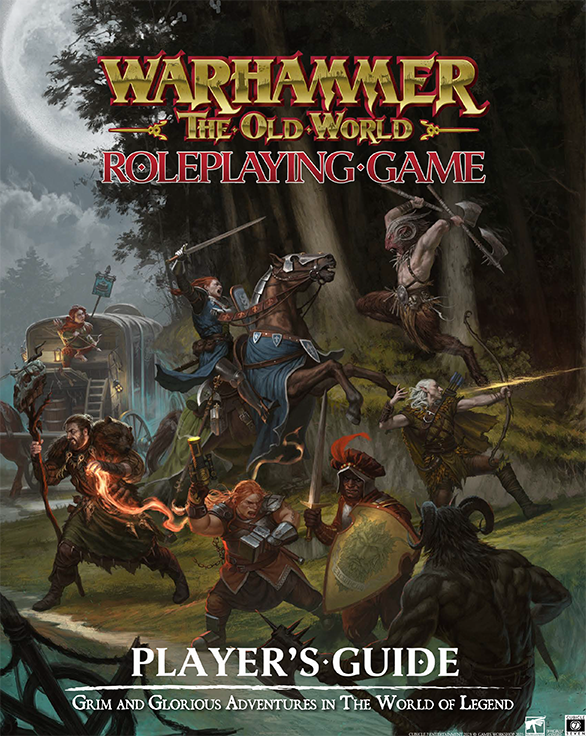
- Character Creation Rules: Covers six Origins and 30 classic Careers (e.g., rat-catcher, exiled knight, halfling scout), with each providing unique starting assets.
- Gameplay Rules: Clear explanation of the D10 dice pool mechanics, modifiers, and combat principles. Accompanied by examples and reference tables to minimize confusion.
- Talagaad Setting Primer: Introduces the brooding port-town of Talagaad, its regional factions, geography, and initial adventure hooks, setting the campaign tone from page one.
- Career and Skill Options: Defines Skills, Talents, and the Lores (magic access), with streamlined advancement tied to Career progression.
- Magic Overview: Covers priestly and wizardly spellcasting; includes corrupted magic, archetype spells, downtime spell creation, and concealed corruption mechanics.
Strengths:
- Focused layout ensures players only need to reference what matters most
- Faster character generation and reduced flipping between rules compared to WFRP 4e
- Visual design and examples aid onboarding
Limitations:
- Lacks GM-facing content such as magic item creation, corruption tables, and encounter planning
📘 Warhammer: the Old World Gamemaster’s Guide
This complementary volume is intended for GMs and includes:
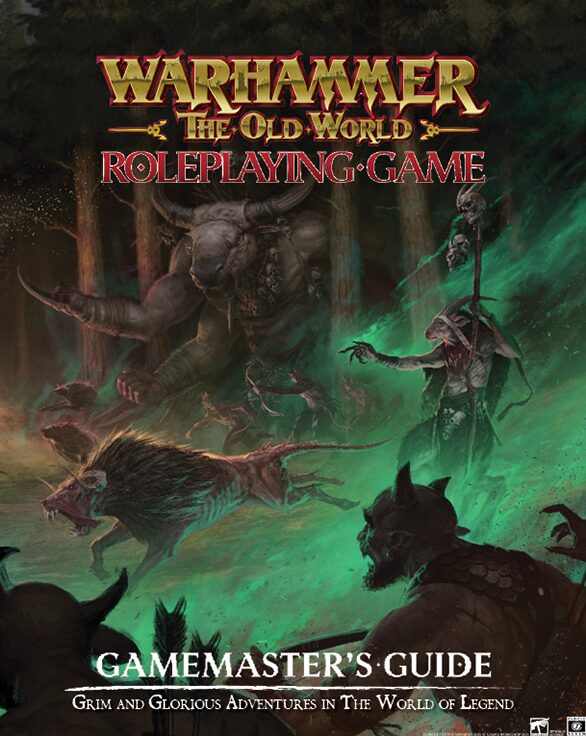
- Advanced GM Tools: Deep expansions of Grim Portents, Contact webs, Dark Threads, Enemy Networks, and Campaign Framing advice.
- Expanded Talagaad Setting: More detail on key NPCs, factions, power dynamics, and regional intrigue. Guidance to transplant gameplay to other Old World locations with minimal tweaks.
- Magic Items & Corruption Paths: Unique items and high-risk magic paths, plus hidden corruption rules kept from player view to preserve tension.
- Downtime Events: Rules for time-lapse events, reputation change, and career-based assets at risk.
- Bestiary of Allies & Antagonists: A robust collection of named NPCs and monster types tied to conspiracies, faction goals, and plot hooks. Includes stat examples, agendas, and locations.
Strengths:
- Practical GM advice tightly aligned with themes and tone
- A dynamic sandbox toolkit to manage layered conspiracies or factional play
- GM’s Guide lets campaigns easily pivot beyond Talagaad while preserving mechanical links
Limitations:
- Must be used alongside the Player’s Guide
- Still missing full adventures or modules until the Starter Set launches
🎯 Final Thoughts
Warhammer: The Old World RPG strikes a compelling balance between WFRP’s grim, systemic legacy and modern streamlined design. Its split-book approach allows players and GMs to focus on relevant systems, reducing cognitive load and making character creation approachable.
- Players get a tactile, lethal RPG focused on careers, community, and consequence.
- GMs receive a campaign-grade sandbox built around conspiracies, betrayal, and richly woven character networks.
Talagaad offers a deep, ready-to-use launching point, though the system anticipates expansion into broader areas via future modules.
This game is an excellent entry point for fans of grim fantasy who want a brutal and breathable RPG setting, with enough mechanical depth to satisfy veteran Warhammer players.